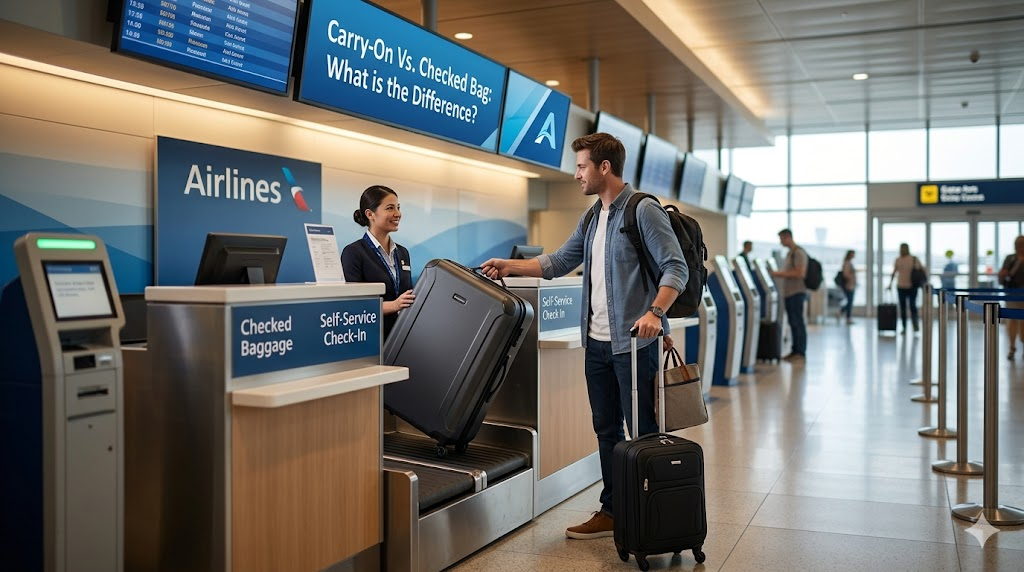
During the flight packing process, the very first decision you face is whether to take a carry-on bag, a checked bag, or both. Understanding the distinction between these two options is the secret to a smoother, more affordable airport experience.
Whether you are packing for a quick domestic weekend getaway or an extensive international journey, knowing the exact rules for check-in and cabin baggage will help you pack efficiently and avoid surprise fees.
Here is everything you need to know about checked baggage and carry-on luggage so you can choose the option that best fits your travel style.
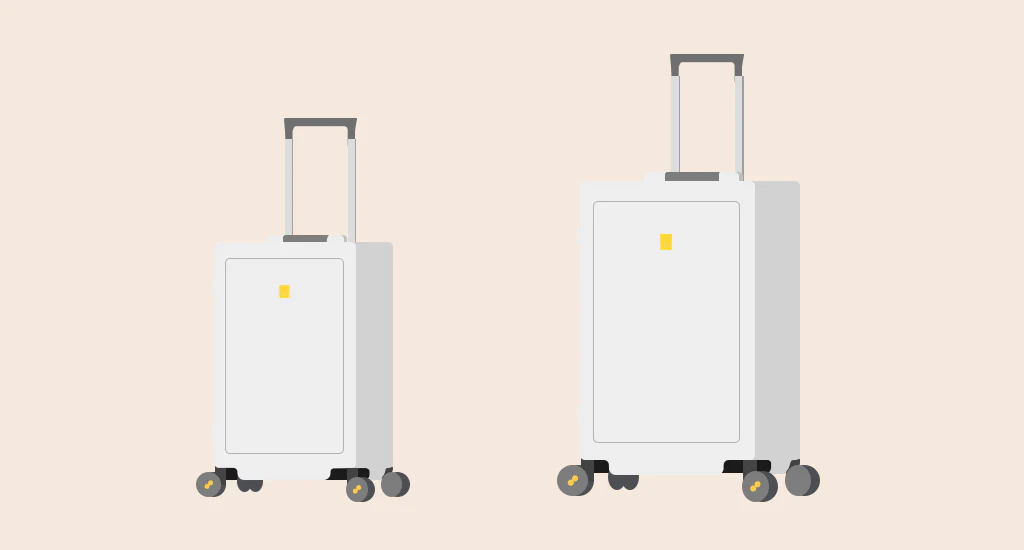
What Sets Carry-On and Checked Baggage Apart?
The primary distinction between these two types of luggage is where they travel during the flight.
- Carry-On Luggage (Cabin Baggage): A carry-on bag is small enough to fit in the overhead bin or under the seat in front of you. You keep it with you throughout the entire journey. This is subject to strict airline size and weight limits.
- Checked Baggage (Check-In Luggage): This refers to larger luggage that you must hand over to the airline desk prior to security checks. The bag is stored in the aircraft’s cargo hold and returned to you at the baggage claim carousel after landing.
Simply put: cabin baggage stays with you, while checked baggage travels separately in the hold.
How Do You Decide Between Carry-On and Checked Luggage?
Consider these three main factors when choosing between carry-on and checked luggage:
- Trip Duration: Short trips of 1–3 days are usually easily manageable with a compact cabin trolley bag.
- Airline Rules: Many budget airlines charge steep fees for checked luggage but include a basic cabin bag in the ticket fare.
- Convenience Preference: If you want to skip the baggage claim wait and exit the airport immediately upon arrival, a carry-on bag is ideal.
If you are a minimalist, cabin baggage is usually sufficient. However, if you need extra outfits, heavy gear, or plan on bringing back gifts, you will likely need the extra space of a checked suitcase.
Checked Luggage Guidelines
The checked luggage system allows you to carry much more, but airlines strictly prohibit specific materials that pose safety hazards in the cargo hold.
What Can You Pack in Checked Luggage?
- Large liquid containers (over 100 ml)
- Sharp objects (like scissors, razors, or pocket knives)
- Sports equipment and gear
- Extra clothing, footwear, and souvenirs
- Toiletries in full-size bottles
What is NOT Allowed in Checked Baggage?
- Explosives and fireworks
- Flammable substances (fuel, lighter fluid)
- Compressed gases
- Spare lithium batteries (these must go in your carry-on)
- E-cigarettes and power banks
Carry-On Luggage Guidelines
A carry-on bag is meant for essentials, valuables, and a few days’ worth of clothing. Most airlines allow one cabin bag plus a “personal item” like a laptop bag or handbag.
What is Allowed in a Carry-On Bag?
- Travel documents and passports
- Electronics (laptops, tablets, cameras)
- Daily medications
- Small toiletries (following the liquid rules)
- A change of clothes and basic daily essentials
What is NOT Allowed in a Carry-On Bag?
- Sharp objects (large knives, scissors beyond permitted sizes)
- Large liquid containers
- Tools or heavy blunt objects
- Sporting bats or sticks
- Firearms and replicas
The TSA Liquid Rules (and Global Guidelines)
For flights to, from, or within the United States, the TSA 3-1-1 liquids rule applies. Most international airports follow a nearly identical global standard:
- Liquids must be in containers of 3.4 ounces (100 ml) or less.
- All containers must fit into one quart-sized clear, resealable bag.
- Each passenger is allowed one such bag.
Note: These restrictions apply only to your cabin baggage. If you need to carry full-size shampoo or sunscreen, it must be packed in your checked luggage.
Size and Weight Limits on Flights
Airlines set specific limits for both luggage types. While you should always check with your specific airline before flying, the standard industry limits are:
Carry-On Baggage:
- Typical size: Around 55 x 40 x 20 cm.
- Weight: Usually 7–10 kg for economy passengers.
Checked Baggage:
- Weight limit: Commonly 15–23 kg for economy class.
- Size: Total dimensions (length + width + height) usually must not exceed 158 cm. (Overweight or oversized bags will incur hefty additional charges!)
Best Check-In Bag Features for 2026
With evolving travel needs, modern luggage offers incredible durability and smart features. In 2026, savvy travellers are prioritising:
- Lightweight polycarbonate shells for maximum durability without eating into the weight allowance.
- Expandable compartments for extra packing space on the return trip.
- 360-degree spinner wheels for effortless manoeuvrability through busy terminals.
- Built-in TSA locks for added security and peace of mind.
- Organised eco-friendly interiors with compression straps to keep clothes wrinkle-free.
Looking to upgrade your travel gear? Check out uppercase for a wide range of sustainable cabin luggage and large check-in suitcases designed for the modern explorer.
Final Thoughts
Choosing between a carry-on and a checked bag comes down to convenience, cost, and your specific packing requirements. Cabin baggage lets you move quickly and keeps your possessions close, while checked luggage gives you the freedom to pack without stressing over space or liquid restrictions.
By understanding these airline regulations and packing your belongings in an organised manner, you can ensure your 2026 travels are entirely stress-free.
FAQs
1. Can I bring both a carry-on and checked baggage? Yes, most standard airline tickets permit you to bring one carry-on bag along with one checked bag. However, budget airlines often charge separately for checked bags. Always check your specific ticket’s baggage policy before heading to the airport.
2. What happens if my checked bag exceeds the weight limit? Airlines will impose an overweight baggage fee. To avoid this, you may need to move heavy items from your checked bag into your carry-on. Always weigh your luggage at home, as airport overweight fees are notoriously expensive.
3. Is it safer to check in valuables? No. You should never pack valuable items in checked baggage. Important documents, electronics, medications, and jewelry should always remain in your carry-on bag so they are protected and accessible to you at all times.
4. Can I carry food in cabin baggage? Solid food items (like sandwiches or crackers) are typically allowed in your cabin bag. However, liquids, gels, and semi-solid foods (like yogurt or peanut butter) must comply with the 100ml liquid restriction.
5. Do all airlines have the same baggage rules? No, baggage allowances differ significantly between airlines and even between different flight routes. It’s crucial to check the specific weight limits, size dimensions, and fee structures of your airline before you start packing.