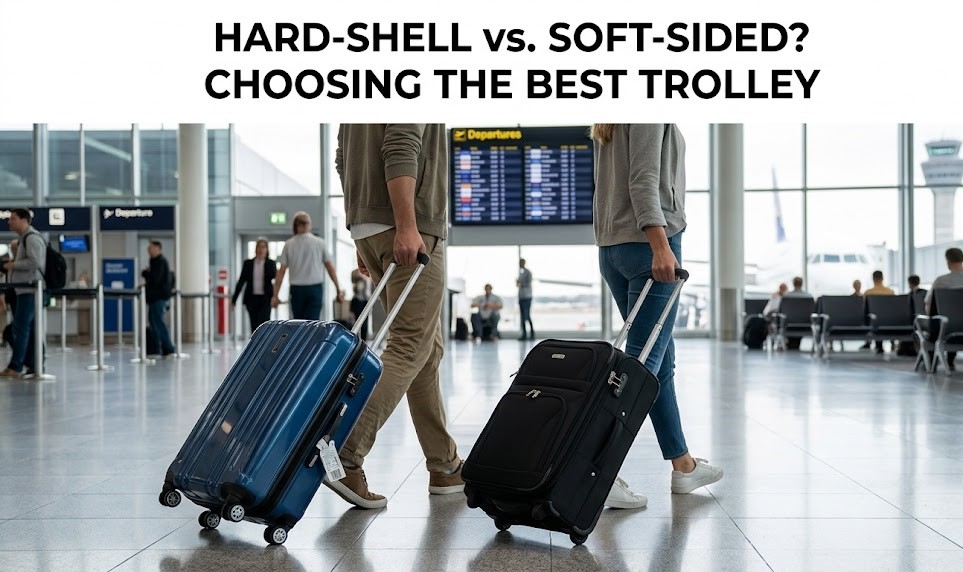
Many travellers wonder about the great debate: hard luggage vs. soft luggage. Both options serve different habits, but your choice can significantly impact your physical comfort and the safety of your belongings. Whether you need a rugged case for fragile electronics or a flexible bag that squeezes into tight overhead bins, this guide breaks down the pros and cons to help you pack smarter in 2026.
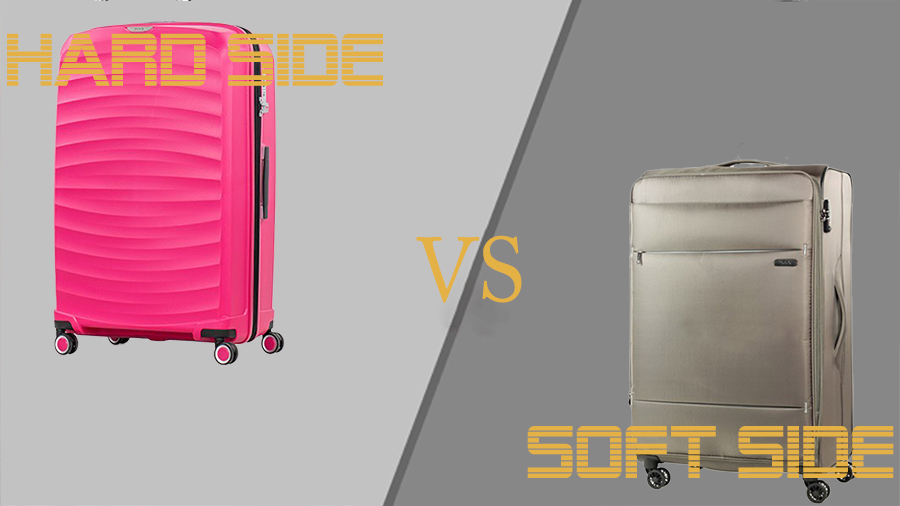
What is Hard-Shell Luggage?
Hard-shell luggage features a firm body made from materials like polycarbonate, ABS, or aluminium. It maintains its structural integrity even when bags are stacked in a cargo hold. A hard-case trolley bag offers a neat, mirrored compartment split inside, which helps in organizing your gear.
Pros of Hard-Sided Luggage
Hard luggage trolley bags provide superior protection for high-value items. According to the USDA FoodData Central standards for transport, maintaining the structural integrity of containers prevents the crushing of sensitive goods.
- Impact Resistance: Ideal for protecting cameras, laptops, and glass bottles.
- Easy Maintenance: The non-porous surface is easy to wipe clean after a trip through a dusty terminal.
- Weatherproof: Water typically beads off the shell, offering better protection during a rainy dash to the taxi.
Cons of Hard-Sided Luggage
- Rigidity: Unlike soft bags, these do not “stretch,” making it difficult to add that last-minute souvenir.
- Scuffs: While the shell is tough, it can show scratches or “battle scars” over time.
- Storage: They require a fixed amount of shelf space at home as they cannot be compressed.
What is Soft-Sided Luggage?
Soft-sided luggage is typically crafted from high-denier fabrics like polyester or ballistic nylon. These materials are designed to be lightweight and flexible, which can be a major health benefit. Heavy lifting is a leading cause of travel injuries; the National Institutes of Health (NIH) notes that reducing the base weight of your equipment can significantly lower the risk of musculoskeletal strain.
Pros of Soft-Sided Luggage
- Flexibility: These bags can be “squished” into tight car trunks or crowded overhead compartments.
- Exterior Pockets: Most designs feature outside compartments for quick access to your passport, chargers, or snacks.
- Expandability: Many soft bags include a wrap-around zipper that increases packing volume by up to 25%.
Cons of Soft-Sided Luggage
- Absorbency: Fabric can absorb odors or moisture if left on a wet tarmac.
- Security: While they use standard locks, the fabric and zippers can be more vulnerable to tampering compared to a solid shell.
Comparison: Which Fits Your 2026 Travel Style?
| Travel Need | Hard-Shell Luggage | Soft-Sided Luggage |
| Fragile Items | Best Protection | Risky |
| Packing Extra | Limited | Expandable |
| Weight | Slightly Heavier | Ultra-Lightweight |
| Organization | Internal Dividers | External Pockets |
| Security | TSA-Approved Locks | Zippers/Fabric |
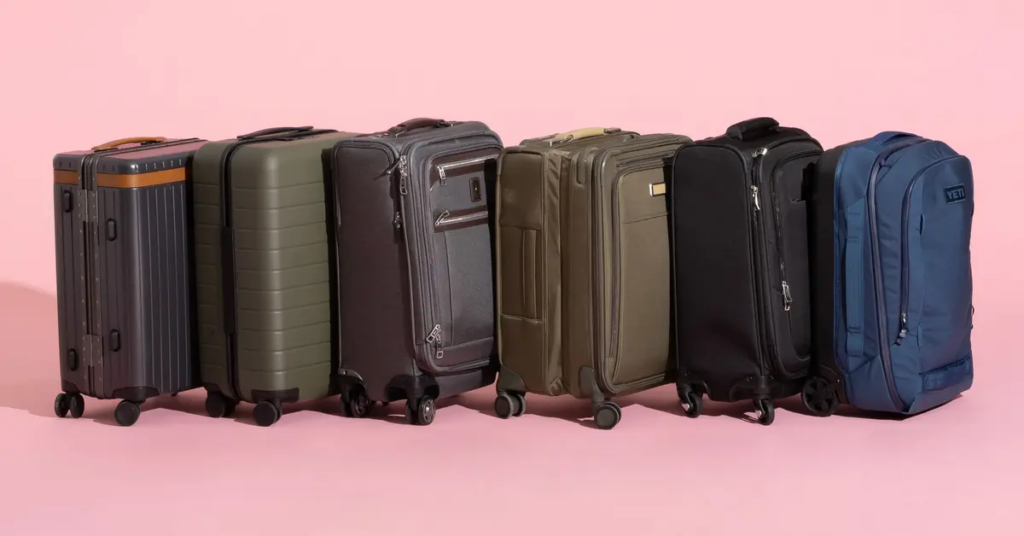
Expert Tips for a Smoother Journey
Choosing the right bag is only half the battle. To ensure your health and safety during transit:
- Ergonomic Handling: Opt for four-wheel “spinner” luggage to reduce the strain on your wrist and shoulder.
- Safe Packing: Place heavier items near the wheels to keep the bag’s center of gravity low, preventing it from tipping over.
- Hygiene: Regularly clean your handles and wheels with disinfectant wipes to reduce the transfer of germs in public spaces.
- Regulatory Check: In 2026, stay updated on the latest Baggage Rules to ensure your bag dimensions and contents comply with international customs and security regulations.