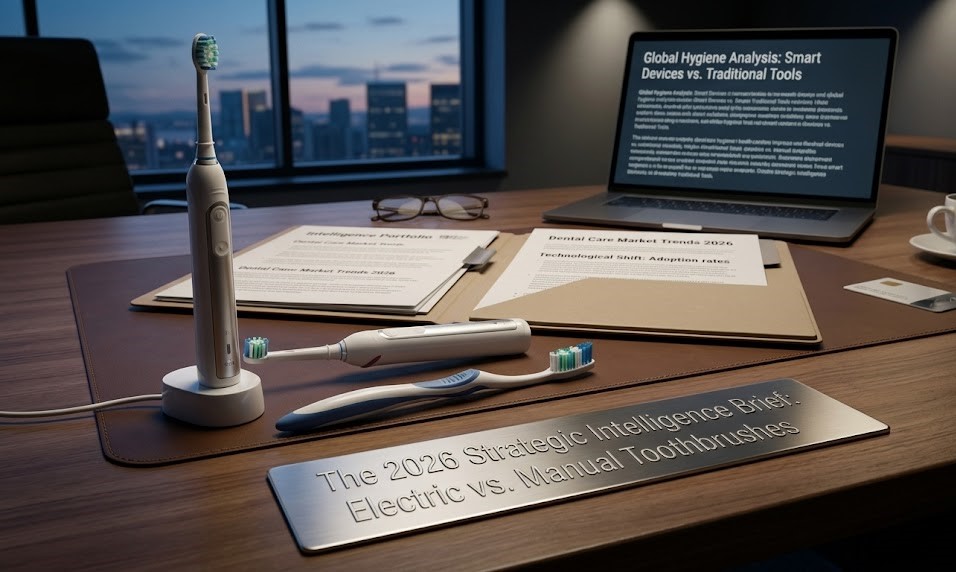
In the modern landscape of preventive healthcare, the daily ritual of brushing one’s teeth has transitioned from a basic hygiene practice to a highly technologized bio-maintenance routine. While the American Dental Association (ADA) confirms that both electric and manual toothbrushes can effectively remove plaque, the debate between the two centers on human behavioral compliance versus mechanical efficiency. As the global oral care market integrates artificial intelligence and biometric tracking in 2026, choosing between a manual and an electric toothbrush requires analyzing technical efficacy, economic investment, and the psychological realities of user habits.
1. Historical Context and Foundational Evolution
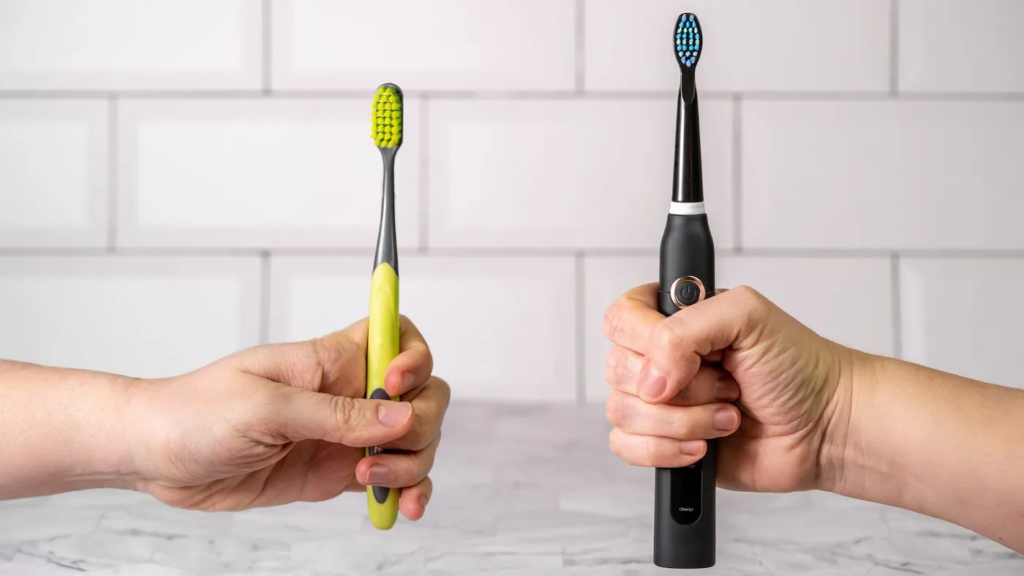
The manual toothbrush, originating from ancient chewing sticks and evolving into mass-produced nylon-bristled tools in the 1930s, established the foundation of global dental hygiene. For decades, the efficacy of oral care relied entirely on human technique and diligence. The introduction of the electric toothbrush—initially developed in the mid-20th century for patients with limited motor skills—shifted the paradigm from manual labor to mechanical automation. By 2026, we have moved past simple battery-operated vibrators into an era of “Smart Oral Care,” where the toothbrush acts as an active participant in health optimization rather than a passive tool.
2. Technical Mechanics and Structural Architecture
The mechanical divide between manual and electric brushes lies in the physical generation of friction. A manual brush requires the user to execute perfect technique—holding the brush at a 45-degree angle to the gumline and applying gentle, consistent pressure. Electric toothbrushes, particularly oscillating-rotating models and high-frequency sonic models (producing up to 62,000 movements per minute), automate this friction. Clinical data from exhaustive systematic reviews demonstrates that oscillating-rotating electric brushes achieve a 21% greater reduction in plaque and an 11% greater reduction in gingivitis over a three-month period compared to manual brushing. Furthermore, modern electric models incorporate structural safeguards like pressure sensors to prevent enamel abrasion and quadrant-pacing timers to ensure the ADA-recommended two-minute duration is met.
3. Economic Impact and Global Market Dynamics
From a macroeconomic perspective, the electric toothbrush sector is experiencing explosive growth, with the global market projected to reach $5.6 billion in 2026. The consumer economics present a classic split between low Capital Expenditure (CAPEX) and high-yield preventive investment. A manual toothbrush costs between $1 and $3, representing a negligible financial barrier. Conversely, outfitting an individual with a quality electric toothbrush requires an upfront investment of $50 to $250, plus an ongoing operational cost of $40 to $80 annually for replacement heads. However, dental economists argue that the Return on Investment (ROI) of an electric toothbrush is highly favorable if its superior plaque removal prevents just one cavity filling or periodontal scaling procedure over a multi-year period.
4. Sociocultural and Behavioral Implications
The primary failure point in human oral hygiene is not the tool, but the user. Sociological studies indicate that most individuals using a manual toothbrush overestimate their brushing time, often stopping after 45 to 60 seconds. Electric toothbrushes act as behavioral modifiers. The built-in timers force compliance, while the guided vibration increases user focus. This is especially critical for demographics with limited dexterity, such as seniors with arthritis or carpal tunnel, as the device performs the mechanical sweeping motion for them. Additionally, for children and teenagers with orthodontic appliances (braces or clear aligners), the engagement factor—often gamified through linked mobile apps—drastically improves hygiene adherence.
5. Regulatory, Ethical, and Ecological Frameworks
Both manual and electric brushes must meet stringent safety and efficacy standards to earn the ADA Seal of Acceptance. However, the 2026 landscape introduces a complex ecological paradox. Manual toothbrushes contribute to massive global plastic pollution, as the entire handle and head must be discarded every three to four months. Electric toothbrushes reduce plastic waste since only the small brush head is replaced. Yet, electric models introduce severe e-waste dilemmas due to their reliance on lithium-ion batteries, copper wiring, and printed circuit boards, alongside the continuous draw of electricity for charging. The ethical mandate for 2026 manufacturers focuses on developing plant-based, biodegradable replacement heads and fully recyclable electronic components to mitigate this dual-front environmental impact.
6. Competitive Analysis and Strategic Positioning
The 2026 market is heavily bifurcated. Manual brushes dominate through ubiquity and zero-friction accessibility; they require no charging, no apps, and can be purchased anywhere. In the electric sector, a duopoly of technology types commands the premium space: Oral-B dominates the oscillating-rotating category (ideal for heavy plaque removal), while Philips Sonicare leads the sonic vibration category (favored for sensitive gums). To bridge the gap, direct-to-consumer subscription models (like Quip or SURI) have successfully positioned themselves as hybrid alternatives, offering sleek, travel-friendly sonic brushes at mid-tier price points with automated brush-head deliveries to ensure users replace them on schedule.
7. Predictive Modeling and Future Outlook (2026–2030)
Looking toward 2030, the “Artificial Intelligence Toothbrush” market segment—currently growing at a 14.4% CAGR to exceed $2.4 billion—will redefine the category. The electric toothbrush is rapidly evolving into an Internet of Things (IoT) diagnostic node. Future models will not only track brushing habits in 3D space using gyroscopes, but will likely incorporate biosensors capable of analyzing saliva for early markers of periodontitis, systemic inflammation, or even dietary deficiencies. As these tools shift from purely mechanical cleaners to daily biometric trackers, the gap in clinical outcomes between manual and electric users will widen exponentially.
Conclusion
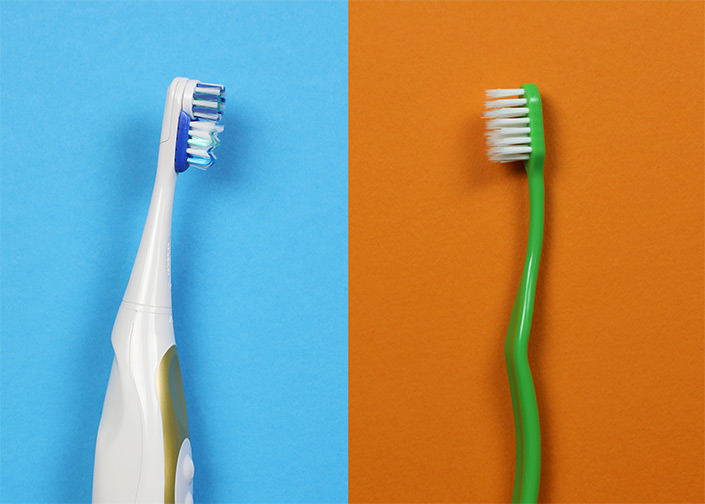
The verdict on electric versus manual toothbrushes in 2026 is grounded in behavioral reality rather than just mechanical theory. A manual toothbrush, when used with flawless technique for two full minutes twice a day, is an excellent and highly cost-effective tool. However, human error, fatigue, and rushing make flawless manual technique rare. An electric toothbrush serves as a technological fail-safe, compensating for poor technique, enforcing optimal brushing durations, and physically disrupting plaque at a rate the human hand cannot match. For those with orthodontic gear, limited dexterity, or a history of gum disease, the electric toothbrush is no longer a luxury upgrade—it is a clinically necessary investment in long-term systemic health.