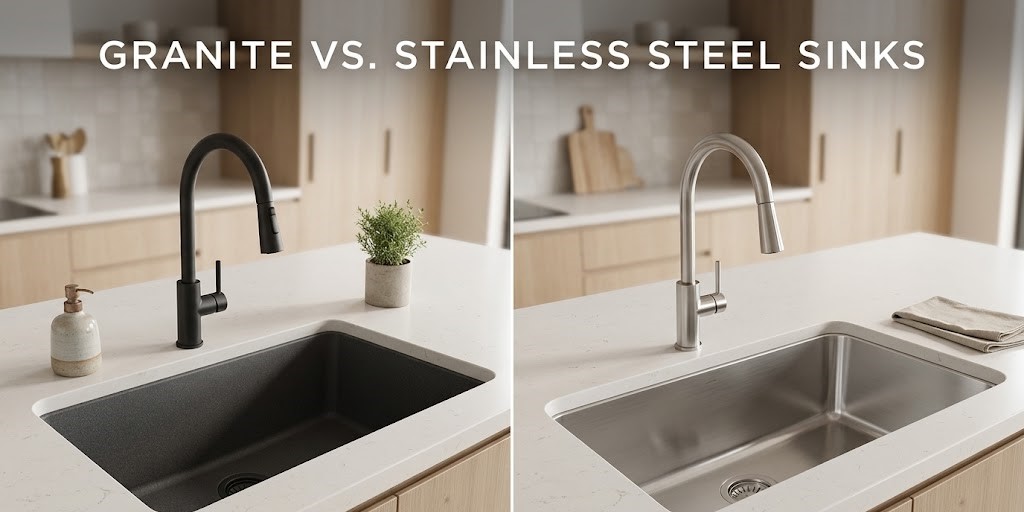
In the residential and commercial kitchen design sectors, the procurement of a primary washing basin—the sink—is a critical intersection of operational utility and aesthetic architecture. The market is currently dominated by two primary material composites: traditional stainless steel and engineered granite. Selecting the correct asset requires an understanding of their respective material sciences, kinetic tolerances, and long-term maintenance requirements. This intelligence brief deconstructs the structural advantages and operational vulnerabilities of both sink architectures to guide optimal procurement.
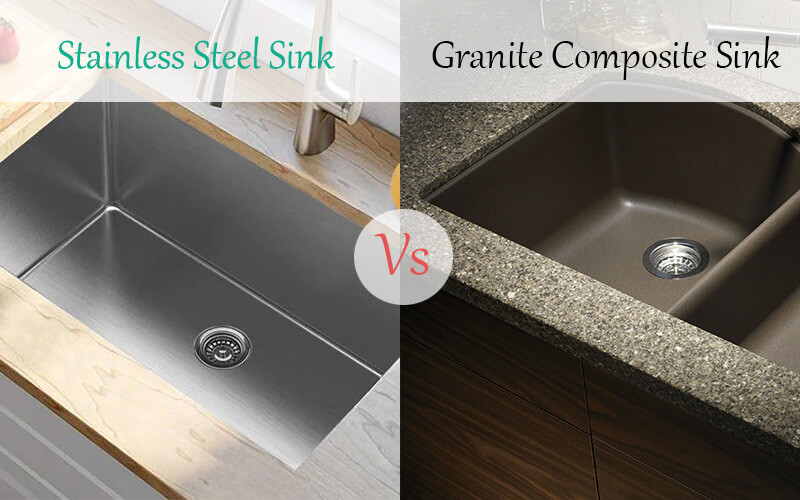
Technical Mechanics: Stainless Steel Architecture
Stainless steel remains the undisputed industry standard, heavily utilized in high-volume commercial restaurant environments due to its absolute functional reliability.
- Material Advantages: Stainless steel is highly malleable during manufacturing, allowing for a massive variety of configurations (undermount, top-mount, integrated drainers). Aesthetically, it provides seamless visual integration with standard commercial-grade appliances (ovens, refrigerators). Furthermore, it is a highly sustainable asset, being 100% recyclable at the end of its lifecycle.
- Operational Vulnerabilities (The Gauge Metric): The structural integrity of a stainless steel sink is entirely dependent on its “gauge” (thickness). Low-gauge (thicker) steel is highly durable, whereas high-gauge (thinner) steel is highly susceptible to kinetic damage, such as dents from dropped cookware.
- Acoustic Friction: Stainless steel possesses poor acoustic dampening properties. Without adequate undercoating or sound-deadening pads applied to the exterior basin, the kinetic impact of water and cutlery creates significant noise pollution in the kitchen environment.
Technical Mechanics: Engineered Granite Architecture
What the consumer market refers to as a “granite” sink is technically a highly engineered composite material, typically constructed from a matrix of approximately 80% natural granite or quartz stone dust bound together by 20% high-performance acrylic resin.
- Material Advantages: This composite engineering yields a basin with extreme kinetic and thermal durability. Engineered granite is highly resistant to scratches, impact chips, and high-heat exposure (such as placing a hot pan directly into the basin). It also offers a distinct architectural point of difference, available in various matte colorways (black, white, concrete) to match modern cabinetry and benchtops.
- Operational Vulnerabilities (Mineral Scaling): The primary vulnerability of dark-colored granite sinks is their reaction to local water chemistry. In regions with “hard water” (water containing high levels of dissolved calcium and magnesium), evaporation leaves behind a highly visible, chalky white mineral residue (limescale).
- Maintenance Logistics: To mitigate limescale and maintain the resin’s luster, operators must adhere to strict maintenance protocols, including manually wiping the sink dry after heavy use and periodically applying mineral oil to the surface to restore its hydrophobic properties. Additionally, the manufacturing process restricts the variety of mold configurations compared to the highly malleable stainless steel.
Economic Impact and Procurement Strategy
From a lifecycle perspective, both assets offer exceptional longevity if procured correctly. The strategic decision hinges on the operator’s aesthetic objectives and willingness to perform daily maintenance.
- Capital Expenditure (CAPEX): High-quality, low-gauge stainless steel and engineered composite granite frequently occupy similar premium price tiers. Cheaper stainless steel will degrade visually (scratches, water spots) and structurally (dents) much faster than an entry-level composite sink.
- Logistical Alignment: If the design objective is maximum durability with zero aesthetic maintenance, high-gauge, sound-dampened stainless steel is the superior operational choice. If the design objective prioritizes a bespoke, modern aesthetic with high scratch resistance, the operator must select engineered granite and accept the mandatory drying and oiling protocols.
Conclusion
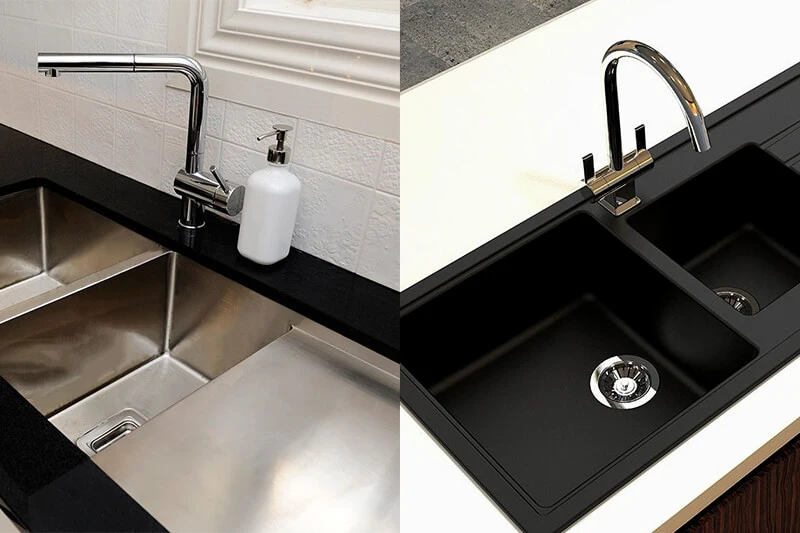
The strategic verdict for 2026 is that neither material is objectively superior; they serve different operational profiles. Stainless steel provides unmatched configurational variety, acoustic challenges, and industrial resilience. Engineered granite provides superior scratch and heat resistance, striking aesthetic options, but requires disciplined chemical maintenance to prevent hard-water scaling. Procurement must be strictly aligned with the local water chemistry and the user’s daily operational habits.