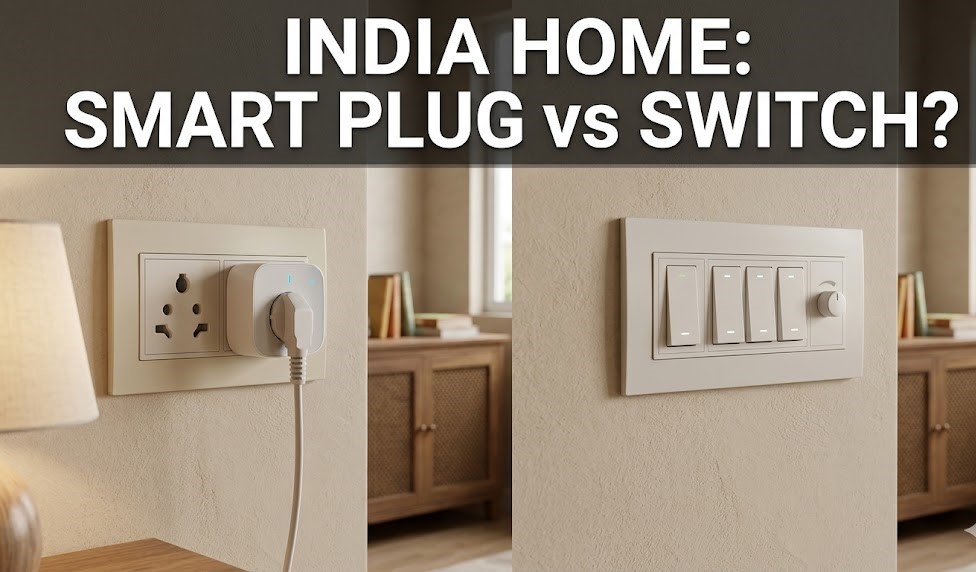
In the rapid expansion of India’s Smart home ecosystem, homeowners are increasingly forced to choose between the modular flexibility of smart plugs and the permanent, integrated architecture of smart switches. As of 2026, Indian power conditions—characterized by high voltage fluctuations and high-load appliances like geysers and ACs—require a specific strategic approach to automation. This intelligence brief deconstructs the technical mechanics, installation logistics, and economic trade-offs of both assets to optimize your domestic infrastructure.
Technical Mechanics: Operational Logic
While both devices provide Wi-Fi or Bluetooth-based remote control, their physical integration into your home’s electrical grid is fundamentally different.
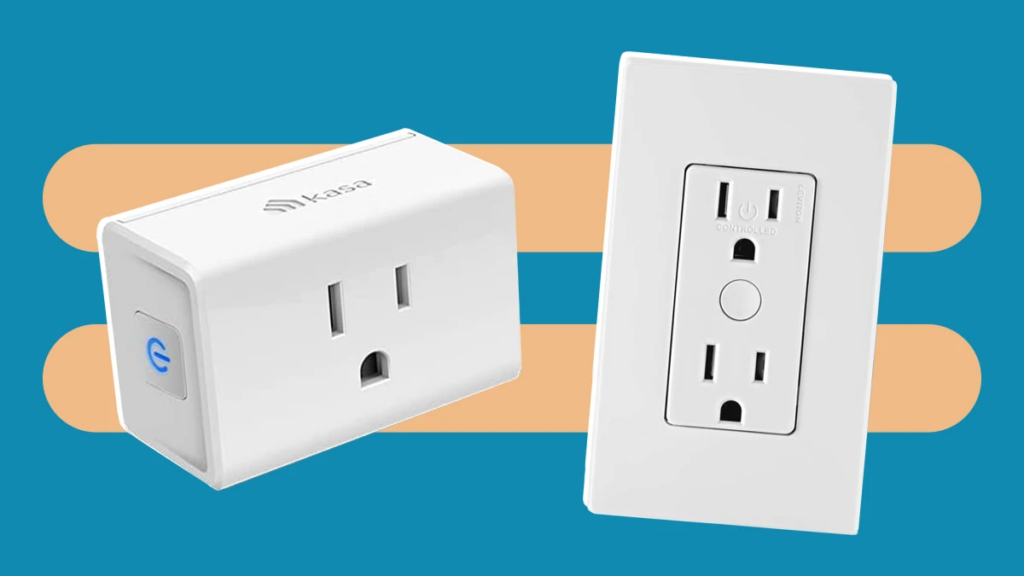
- Smart Plugs (Modular Automation): A Smart plug acts as an external intermediary between the wall socket and the appliance. It is a “plug-and-play” device requiring zero electrical work. In India, these are categorized by amperage: 6A for lamps and small electronics, and 16A for heavy loads like water heaters and air conditioners.
- Smart Switches (Integrated Automation): A Smart switch replaces your traditional physical switchboard. These are typically available as Retrofit Modules (hidden behind existing switches) or Touch Panels (replacing the entire board with a glass finish). They control hardwired assets like ceiling fans and recessed lighting, maintaining a seamless interior aesthetic.+1
Comparative Analysis: Installation and Utility
| Feature | Smart Plug | Smart Switch |
|---|---|---|
| Installation | Instant (No wiring) | Complex (Requires electrician) |
| Mobility | Portable / Rent-friendly | Permanent / Fixed |
| Ideal For | ACs, Geysers, Kettles | Ceiling Fans, Fixed Lighting |
| Manual Control | Via app or single button | Retains physical toggle/touch |
| Energy Tracking | Common in mid-range models | Rarely available in modules |
Export to Sheets
Recommended Products for Indian Homes
If you are automating a single, high-load appliance, consider the TP-Link Tapo P110 or the Portronics Splug 16. For those seeking full-room automation, the AZIOT 4 Node Plus offers a hybrid solution, controlling multiple lights and one heavy load from a single modular plate.
TP-Link Tapo P110 Mini Smart Wi-Fi Plug
4.9 (779)Opens in a new window
Portronics Splug 16 Smart Plug
₹1,499.00 Opens in a new window
TP-Link Tapo S220 Smart Light Switch
Economic Impact: CAPEX and Long-Term ROI
From a Capital expenditure (CAPEX) perspective, smart plugs are the entry-level choice, with prices in India ranging from ₹600 to ₹1,200. They are ideal for renters who need to take their automation assets with them when relocating.
Smart switches represent a higher upfront investment (₹1,500 to ₹7,000 per board) but offer a higher Return on investment for homeowners by increasing property value and providing a cleaner, “invisible” smart home experience. Furthermore, high-quality Indian brands like Wipro and Goldmedal now include surge protection (up to 3KV) to protect expensive electronics from India’s notoriously unstable power grid.
Conclusion
The strategic verdict for 2026 is based on your housing status and intended load. Choose a Smart Plug if you are renting or wish to automate a single heavy appliance (AC/Geyser) without internal wiring. Choose a Smart Switch if you are a homeowner looking for a permanent, aesthetic solution to control multiple fixed lights and fans across entire rooms.