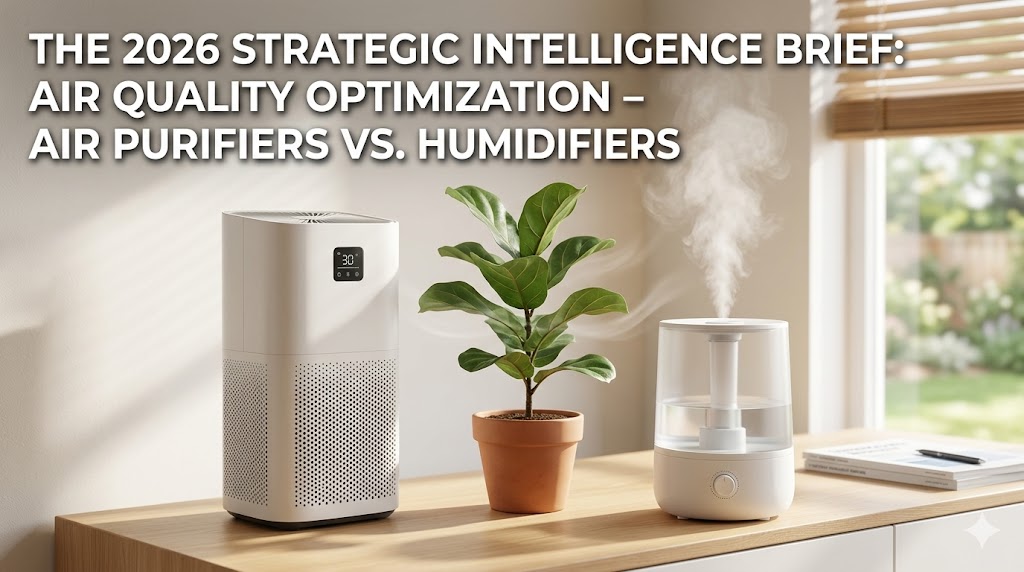
In the modern landscape of domestic wellness and respiratory health in 2026, managing indoor air quality is no longer a luxury but a clinical necessity. Homeowners frequently confuse the mechanical functions of an Air purifier with those of a Humidifier. While both devices manipulate the surrounding atmosphere, they serve entirely distinct physiological and environmental purposes. This intelligence brief deconstructs the filtration mechanics, moisture regulation, and strategic deployment of these devices to optimize respiratory health and mitigate airborne pathogens.
Historical Context and Foundational Evolution
The quest for indoor air optimization has evolved significantly over the past century. Early humidifiers were little more than pans of water placed on radiators to combat the extreme dry heat of early furnace systems. Conversely, the foundational technology for air purifiers—the HEPA filter—was developed during the Manhattan Project to capture radioactive particles. In 2026, the technology has advanced exponentially. Brands like Molekule have transitioned from passive trapping (HEPA) to active destruction using Photo Electrochemical Oxidation (PECO), while humidifiers now utilize ultrasonic vibrations to aerosolize water.
Technical Mechanics and Operational Architecture
The structural architecture of these devices defines their operational capabilities:
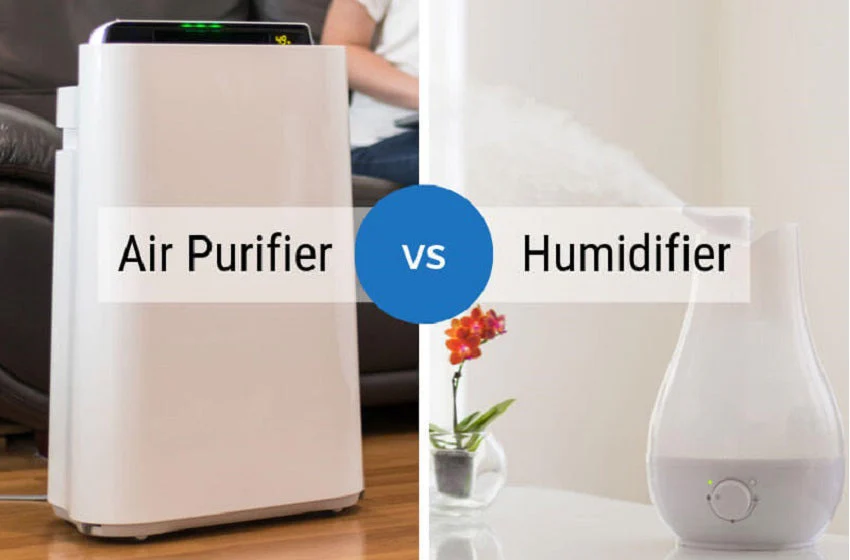
- The Air Purifier (The Filtration Engine): This device functions as an atmospheric scrubber. A fan pulls ambient room air through a series of filters. Traditional units use woven fiberglass HEPA filters to physically trap particulate matter (dust, pollen, pet dander). Advanced units (like Molekule) use PECO technology to actively break down VOCs (Volatile Organic Compounds), bacteria, and mold spores at the molecular level, emitting cleaned air back into the room. Crucially, air purifiers do not add moisture.
- The Humidifier (The Moisture Generator): This device functions as a localized climate modifier. It does not clean the air. Instead, it elevates the relative humidity of a room by boiling water into warm steam or using ultrasonic frequencies to vibrate water into a cool mist. Crucially, it does not remove allergens or pollutants.
Economic Impact and Maintenance Expenditure
From a microeconomic perspective, both devices require ongoing Capital Expenditure (CAPEX) beyond the initial purchase price to remain safe and effective.
- Air Purifier Economics: The primary ongoing cost is the regular replacement of proprietary filters. Failure to replace these filters reduces the machine’s efficacy to zero and forces the motor to burn out prematurely.
- Humidifier Economics: While filter-less ultrasonic humidifiers exist, their operational cost lies in the requirement of Distilled water. Using standard tap water results in the aerosolization of mineral deposits (“white dust”), which can negatively impact lung tissue.
Sociocultural and Behavioral Implications
Behaviorally, consumers often mistakenly view these devices as medical cures rather than environmental mitigators. For example, a parent may purchase a humidifier believing it will cure a child’s cold. While clinical data indicates that maintaining a relative humidity of 40-60% can reduce the infectiousness of airborne viruses and soothe irritated mucous membranes, it does not treat the underlying viral infection. Healthcare providers must continuously educate patients that these devices alter the environment to support the body’s natural recovery, rather than acting as a direct pharmaceutical intervention.
Regulatory, Ethical, and Clinical Risks
The misuse of these devices introduces specific clinical and environmental risks:
- Humidifier Dangers (Mold and Mites): If a humidifier is not rigorously cleaned and dried every few days, it becomes a breeding ground for mold, effectively pumping toxic spores directly into the respiratory zone. Furthermore, maintaining humidity levels above 50% exponentially increases the survival and reproduction rates of dust mites, actively worsening conditions for asthma sufferers.
- Warm Mist Risks for Infants: The FDA specifically warns against using warm mist humidifiers in nurseries, as the heat can cause already inflamed infant nasal passages to swell further, obstructing breathing. Cool mist is the strict clinical standard for pediatric care.
Competitive Analysis: Strategic Deployment (Purifier vs. Humidifier)
In the strategic matrix of home health, these devices do not compete; they manage entirely different atmospheric deficits.
- Deploy an Air Purifier for: Long-term reduction of asthma triggers, seasonal allergies, pet dander, and mitigating the toxic particulate matter associated with seasonal Wildfire smoke. It is a year-round, baseline health investment.
- Deploy a Humidifier for: Short-term relief from arid winter climates, soothing dry skin, and alleviating the scratchy throat and sinus discomfort associated with acute upper respiratory infections.
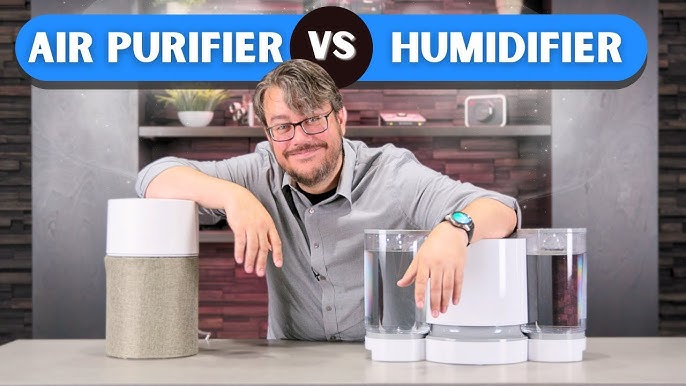
- Concurrent Operation: It is highly effective to run both devices in the same room, provided they are physically separated. Placing them too close allows the humidifier’s mist to saturate the purifier’s filter, rendering it useless and promoting bacterial growth within the filter matrix.
Conclusion
The strategic verdict for April 2026 confirms that Air Purifiers and Humidifiers are complementary, not interchangeable, environmental tools. An air purifier is an active defense mechanism, pulling microscopic toxins, allergens, and smoke out of the breathing zone. A humidifier is a palliative tool, injecting moisture to soothe dry respiratory tracts and suppress viral transmission rates. To achieve optimal indoor air quality, consumers must properly diagnose their environmental deficit—treating airborne pollution with filtration, and treating arid air with clean, distilled moisture.