During the packing process, the first decision travelers face involves selecting between carry-on luggage and checked baggage. Understanding the distinction between these two options can make your airport experience smoother, faster, and more affordable. Whether you are prepping for a 48-hour domestic hop or an extensive international journey, knowing the rules is the first step to stress-free travel.
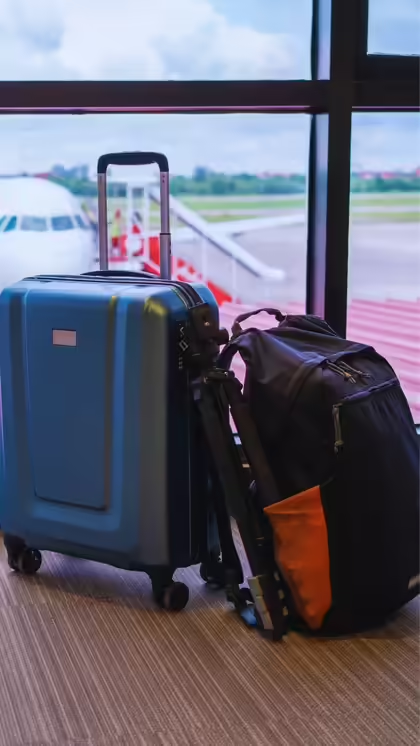
What Sets Carry-On and Checked Baggage Apart?
The primary distinction lies in the route your luggage takes once you reach the terminal.
- Carry-On Baggage: These are cabin-sized bags that stay with you. They must be small enough to fit in the overhead bin or under the seat in front of you.
- Checked Baggage: These are larger suitcases delivered to the airline desk prior to security. They are stored in the aircraft’s cargo hold and returned to you at the baggage claim carousel after landing.
Key Comparison at a Glance
| Feature | Carry-On Bag | Checked Bag |
| Accessibility | Accessible during flight | Inaccessible until landing |
| Typical Weight | 7–10 kg | 15–23 kg |
| Liquid Rules | Strict 100ml limit | Large bottles allowed |
| Security | High (travels with you) | Moderate (handled by ground crew) |
Packing Rules: What Goes Where?
Security regulations vary significantly depending on where your bag is stored. For instance, the TSA Liquid Rules (the 3-1-1 rule) only apply to cabin baggage.
Items for Your Checked Bag
Because these bags are in the hold, you can pack items restricted in the cabin, such as:
- Full-sized toiletries and large liquid containers.
- Sports equipment (bats, sticks, or clubs).
- Multi-tools or sharp objects (subject to airline safety rules).
Items for Your Carry-On Bag
Your cabin bag should be reserved for essentials and valuables. In fact, certain items must be in your carry-on for safety reasons:
- Lithium Batteries & Power Banks: These are fire hazards in the cargo hold and are restricted to the cabin by the FAA and ICAO.
- Medications & Documents: Always keep life-saving meds and passports within reach.
- Electronics: Laptops and tablets are safer from damage when stored in overhead bins.

Size and Weight Limits in 2026
Airlines have become stricter with dimensions to ensure cabin safety and fuel efficiency.
- Carry-On Limits: Most airlines look for dimensions around 55 x 40 x 20 cm. If your bag is too large, you may be forced to check it at the gate for a high fee.
- Checked Limits: Generally, the total dimensions (L+W+H) should not exceed 158 cm. Exceeding these can result in “oversized” charges.
For the latest global standards on baggage safety and health, you can consult the International Air Transport Association (IATA) or check the CDC’s Guide to Traveling with Medications to ensure your carry-on meets health requirements.
Best Luggage Features for 2026
Modern travelers are prioritizing sustainability and durability. Look for these features when upgrading your gear:
- Eco-Friendly Materials: Lightweight polycarbonate or recycled fabric shells.
- Spinner Wheels: 360-degree wheels for effortless navigation through crowded terminals.
- Built-in TSA Locks: Essential for protecting checked bags while allowing security to inspect them if needed. According to Travel Sentry, using approved locks prevents damage to your zippers during mandatory inspections.