By Duronic | Expanded & Enriched for Maximum Information Density by Gemini: April 17, 2026
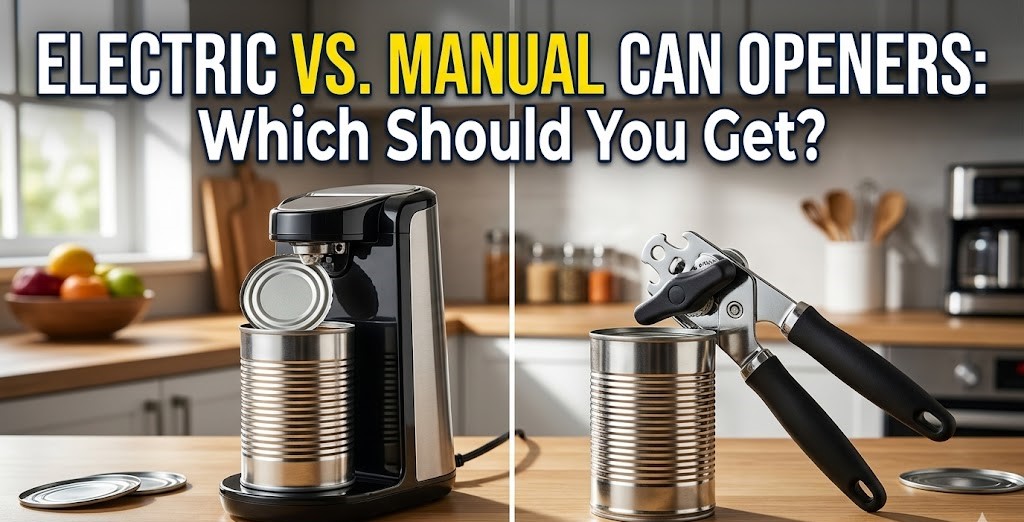
Can openers are ubiquitous kitchen tools, essential for accessing preserved foods since the widespread adoption of the tin can in the 19th century. Today, consumers face a primary choice: stick with the traditional manual mechanism or upgrade to an electric model.
This comprehensive guide breaks down the core differences in usability, safety, durability, and cost to help you make an informed decision based on your specific kitchen needs.
1. Ease of Use and Accessibility
The primary distinction between manual and electric can openers lies in the physical effort required to operate them.
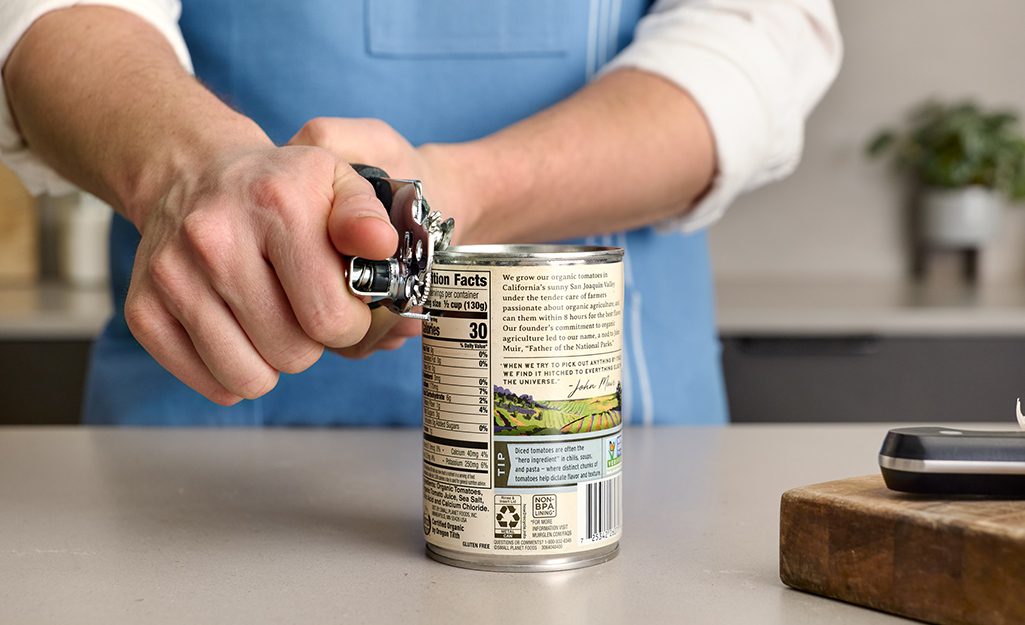
- Manual Openers: Traditional manual can openers require the user to puncture the tin and continuously rotate a crank handle. This demands a sustained pinch grip, wrist mobility, and bilateral coordination (using both hands simultaneously).
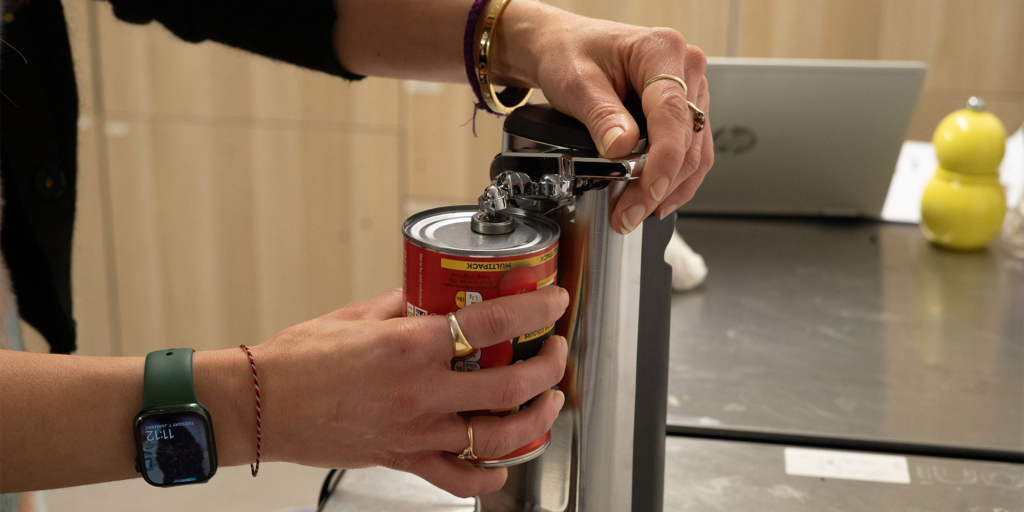
- Electric Openers: Devices like the Duronic CO60 fully automate the process. Users simply place the can under the cutting mechanism, and the machine does the rest.
- Accessibility Advantages: For individuals living with Osteoarthritis, rheumatoid arthritis, carpal tunnel syndrome, or general limited hand strength, electric can openers are a massive quality-of-life upgrade. They eliminate the repetitive stress and painful grip force required by manual models.
2. Speed and Efficiency
If you frequently cook in bulk or rely heavily on canned ingredients (like tomatoes, beans, or broths), the speed of your tools matters.
- Time Savings: Electric openers streamline the process. You can open a can within seconds without the need to adjust your grip or reposition the tool if the blade slips.
- Multitasking: Because electric openers (like the Duronic CO60) utilize a strong magnet to hold the can and operate hands-free, you can attend to other tasks—like stirring a pot or chopping vegetables—while the can is being opened.
- Multi-Functional Designs: Modern electric models often consolidate kitchen tools to save space and time. For instance, the Duronic CO60 integrates a built-in knife sharpener and a bottle opener directly into its base.
3. Safety Considerations
Opening a metal can inherently involves creating a sharp edge, making safety a paramount concern.
- Manual Safety Risks: Traditional manual openers can easily slip off the rim, causing jagged, dangerous edges on the lid. Furthermore, manually prying off the severed lid often puts the user’s fingers in direct contact with sharp metal.
- Electric Safety Features: Electric models utilize a continuous, motorized rotation that ensures a clean, smooth, and predictable cut. Most modern electric openers (including the Duronic model) also feature a built-in magnet that catches and suspends the lid the moment it is completely severed, preventing it from dropping into your food and keeping your fingers safe.
4. Durability, Reliability, and Maintenance
When evaluating the lifespan of a kitchen tool, you must consider its mechanical complexity.
- Manual Durability: Because they contain no electronic components, motors, or wiring, high-quality manual can openers are incredibly durable and highly reliable. They are essential for camping, power outages, and emergency kits.
- Electric Durability: Electric can openers introduce points of potential failure (e.g., motor burnout or frayed cords). However, well-built models are designed for longevity.
- Cleaning and Maintenance: Manual openers can be difficult to clean, as food residue often gets trapped in the gears, leading to rust. Electric models counter this by offering detachable cutting levers. The blade and magnet assembly on the Duronic CO60, for example, can be completely removed and washed in the sink, keeping the main electrical housing safe from water damage.
The Final Verdict
So, which is better? The right choice depends entirely on how you cook.
If you need a tool for your camping gear, have extremely limited counter space, or only open a can once a month, a durable manual can opener is the most practical choice.
However, if you cook frequently, buy ingredients in bulk, or suffer from any mobility or grip strength issues, an electric can opener provides a clear, immediate advantage in convenience, safety, and comfort.