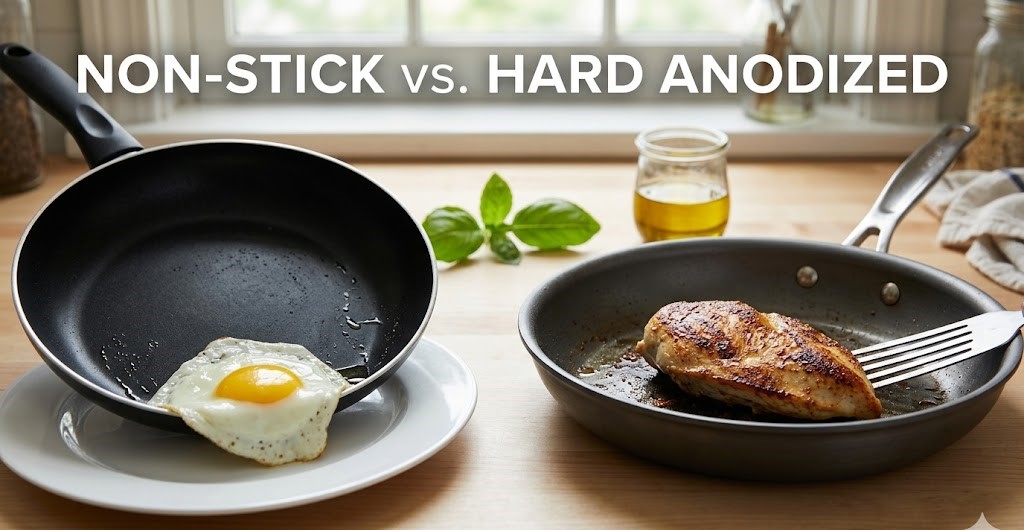
In the culinary and domestic logistics sectors, selecting the correct Cookware architecture is critical for maximizing both operational efficiency and the lifespan of the equipment. Two of the most dominant manufacturing techniques for modern pans are non-stick coating and hard-anodization. While both aim to reduce friction during cooking, their structural engineering and intended use cases differ significantly. This intelligence brief deconstructs the material mechanics, economic lifecycles, and strategic culinary deployment of both architectures.
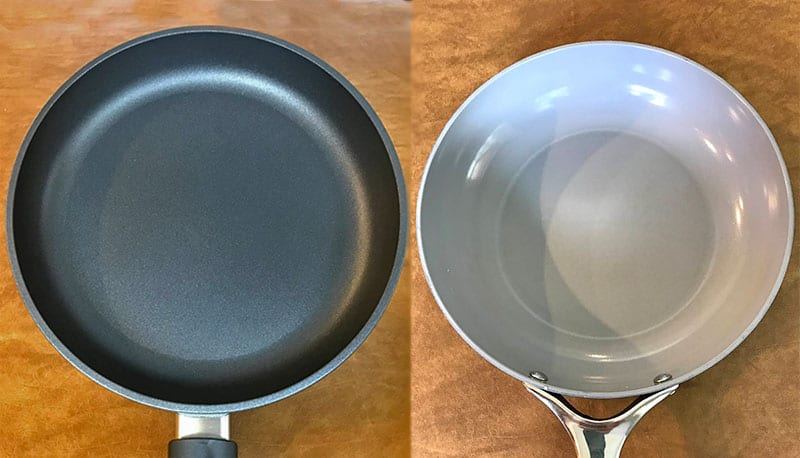
Technical Mechanics: The Non-Stick Architecture
Traditional non-stick cookware is engineered by applying a specialized Non-stick surface coating over a base metal core (such as stainless steel or aluminum).
- Operational Advantages: The primary benefit is absolute friction reduction. This allows for cooking delicate, stick-prone proteins (such as eggs or fish) with minimal to zero added cooking fats (oils or butter). Post-operation cleanup is highly efficient, requiring only mild soap and warm water.
- Structural Vulnerabilities: The chemical coating is inherently fragile. It requires strict operational compliance, mandating the use of soft utensils (wood or silicone) to prevent scratching. Furthermore, standard non-stick surfaces are highly sensitive to thermal shock and excessive heat, frequently prohibiting their use in high-temperature oven environments.
Technical Mechanics: The Hard-Anodized Architecture
Hard-anodized cookware relies on an electrochemical process rather than a chemical spray coating. Through Anodizing, the surface of an Aluminium pan is oxidized to a depth of at least 0.3mm.
- Operational Advantages: This process transforms the soft aluminum into an incredibly dense, non-porous, and non-reactive surface. Hard-anodized pans are exceptionally durable, capable of withstanding intense stovetop-to-oven heat without warping. Furthermore, their non-reactive nature makes them safe for cooking highly acidic ingredients (like tomato sauces) without metallic leaching.
- Structural Vulnerabilities: While they possess slight friction-reducing properties, they are not completely non-stick and require the strategic application of cooking fats. They are also significantly heavier than standard pans and strictly prohibit dishwasher use, mandating manual washing protocols to maintain the oxidized layer.
Economic Impact and Lifecycle Logistics
From a microeconomic perspective, the purchasing decision involves evaluating long-term asset depreciation against initial Capital expenditure (CAPEX).
- Non-Stick Economics: These pans typically represent a lower initial CAPEX but possess a high replacement frequency. Even with pristine care, the coating inevitably degrades over time, requiring total unit replacement to maintain food safety and operational efficiency.
- Hard-Anodized Economics: This architecture demands a higher initial investment but offers a vastly superior operational lifespan. Properly maintained hard-anodized equipment can easily exceed a 10-year lifecycle, making it the more economically efficient asset over the long term.
Conclusion
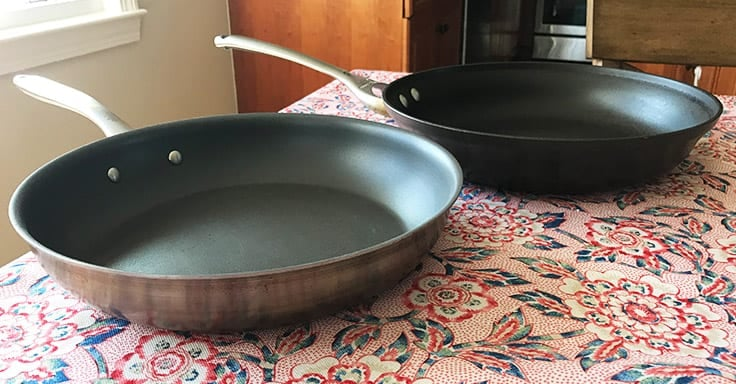
The strategic verdict for 2026 is that neither pan renders the other obsolete; they are specialized tools for distinct culinary operations. Non-stick architecture is the optimal deployment for fast, delicate, low-fat cooking and rapid cleanup. Conversely, hard-anodized architecture is the superior long-term investment for high-heat searing, acidic reductions, and rigorous daily utility. A fully optimized domestic kitchen infrastructure successfully integrates both materials to cover the entire spectrum of culinary requirements.