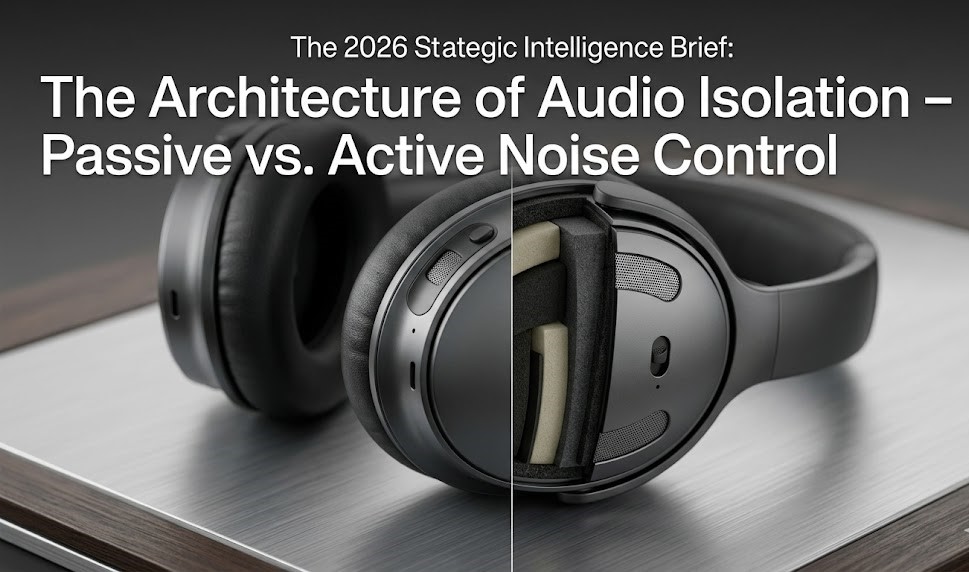
In the highly competitive personal audio market of 2026, the distinction between Noise isolation (Passive Noise Cancellation, or PNC) and Active noise control (ANC) remains the primary differentiator in consumer hardware. As the line between professional, remote work, and leisure environments continues to blur, the ability to effectively manage ambient sound dictates both productivity and auditory health. This intelligence brief deconstructs the physical mechanics, economic trade-offs, and physiological implications of these two competing, yet sometimes complementary, sound suppression technologies, with specific analysis of Logitech’s strategic positioning via the UE FITS architecture.
1. Historical Context and Foundational Evolution
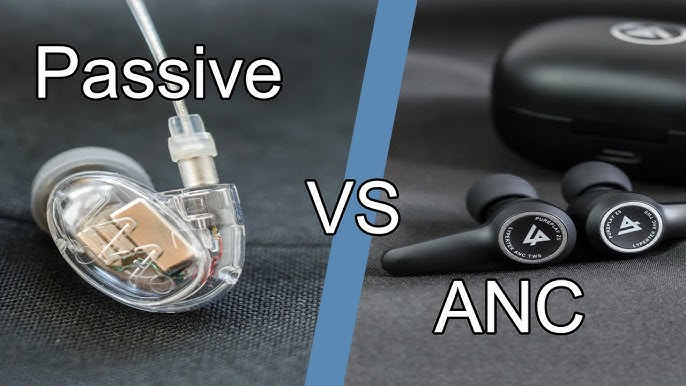
The quest for a controlled auditory environment originated with physical suppression. For decades, audiophiles and professional musicians relied strictly on passive noise isolation—utilizing custom-molded In-Ear Monitors (IEMs) to physically block external stage noise. The commercialization of Active Noise Cancellation began heavily in the aviation sector (to protect pilots from low-frequency engine drone) before permeating the premium consumer headphone market in the early 2000s. By 2026, ANC has been aggressively miniaturized and integrated into nearly all mass-market true wireless earbuds. However, as manufacturers prioritize ANC algorithms over ergonomic design, a counter-movement emphasizing high-fidelity passive isolation via rapid custom-molding technology (such as Logitech’s UE FITS) has disrupted the premium audio sector.
2. Technical Mechanics and Structural Architecture
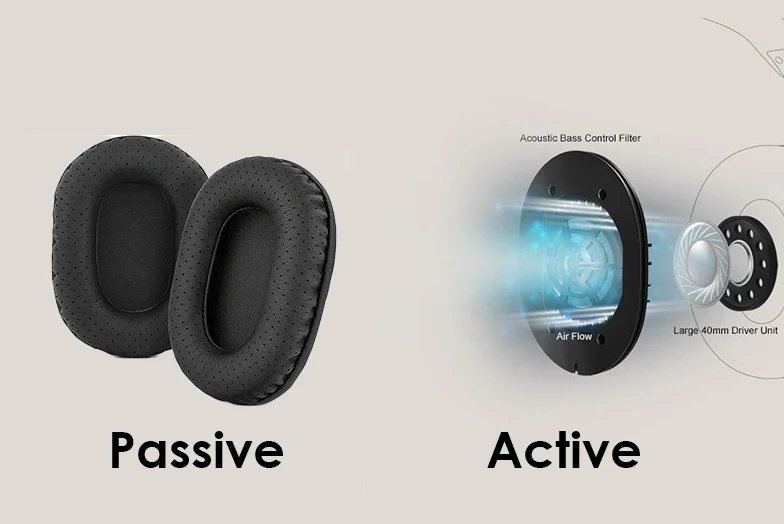
The fundamental divide between these technologies lies in physical occlusion versus computational phase cancellation.
- Passive Noise Isolation (PNC): This is a structural solution. Earbuds physically block the ear canal, preventing ambient sound waves from reaching the eardrum. It requires zero electricity. Its effectiveness is entirely dependent on the quality of the seal. Custom-fitted earbuds excel at blocking mid-to-high frequency noises (e.g., human voices, office chatter) by up to 30dB.
- Active Noise Cancellation (ANC): This is an electronic, computational solution. Microphones listen to external noise, and a digital processor instantly generates a phase-inverted sound wave (“anti-noise”). When these waves collide, they undergo destructive interference, effectively canceling each other out. ANC is mechanically superior at neutralizing constant, low-frequency drones (e.g., airplane engines, HVAC systems) by up to 60dB. However, it struggles to process sudden, transient noises (like a car horn or a dropped glass) quickly enough to cancel them.
3. Economic Impact and Global Market Dynamics
From a macroeconomic and manufacturing perspective, the two technologies represent vastly different Capital Expenditure (CAPEX) models. ANC requires complex internal architecture: multiple microphones, digital signal processors (DSPs), and larger batteries to sustain the computational load. This drives up the baseline manufacturing cost. Conversely, passive isolation relies on material science. While standard silicone tips are cheap, custom-molding technology—like the photopolymerization used in UE FITS ($199)—requires proprietary hardware that cures the earbud to the user’s ear shape in 60 seconds. Economically, ANC drains battery life significantly faster than a purely passive Bluetooth earbud, leading to increased charging cycles and shorter overall hardware lifespans for the consumer.
4. Sociocultural and Behavioral Implications
The behavioral sociology of modern headphone usage is heavily influenced by audio fidelity and physical comfort. ANC, by its very nature, injects “anti-noise” into the audio stream. For casual listeners, this is negligible, but for audiophiles and professional musicians, this creates a mild distortion, resulting in a sense that something is “missing” from the mix. Passive isolation preserves the absolute purity of the audio file. Furthermore, standard ANC earbuds often rely on the rigid pressure of the ear tip to maintain their placement, causing physical ear fatigue over long listening sessions. Custom-molded passive earbuds eliminate this pressure, distributing the weight evenly across the unique contours of the individual’s ear, allowing for all-day wearability without discomfort.
5. Regulatory, Ethical, and Physiological Frameworks
Both PNC and ANC are recognized as vital tools for hearing protection, as they allow users to listen to audio at lower volumes without competing against environmental noise, thereby mitigating noise-induced hearing loss. However, ANC presents unique physiological anomalies. Some users report experiencing dizziness or nausea. Medical professionals theorize that the low-frequency signals generated by ANC trick the brain into perceiving physical motion, creating a sensory disconnect with the visual cortex. Additionally, the “eardrum suck” phenomenon—a perceived pressure change akin to an airplane cabin—is psychosomatic, caused by the brain misinterpreting the sudden absence of low-frequency ambient noise while high frequencies remain present. Passive isolation bypasses these physiological side effects entirely.
6. Competitive Analysis and Strategic Positioning (Logitech UE FITS)
In the 2026 audio market, major players like Apple (AirPods Pro) and Sony dominate the ANC sector, marketing computational silence as the ultimate luxury. Logitech, through its Ultimate Ears (UE) division, strategically positions its FITS earbuds as the premium alternative for audio purists. By focusing on rapid, custom-molded passive isolation, Logitech bypasses the battery drain, audio distortion, and physiological discomfort associated with ANC. Their competitive advantage lies in delivering a bespoke, professional-grade IEM fit—previously reserved for touring musicians—to the mass consumer market at a comparable price point ($199) to high-end ANC competitors, effectively capturing the demographic that prioritizes absolute acoustic purity and physical comfort over computational features.
7. Predictive Modeling: The Future of Spatial Audio (2026–2030)
Looking toward 2030, predictive models indicate a necessary convergence of custom fit and adaptive computation. While Logitech currently champions pure passive isolation in its FITS line, the future of premium audio will likely marry custom-molded hardware with “Selective ANC.” Future iterations will likely use the custom physical seal to block all mid-to-high frequencies perfectly, while utilizing highly efficient, low-power AI processors to eliminate only specific low-frequency anomalies when engaged. This hybrid architecture will offer the zero-distortion purity and all-day comfort of a custom mold, backed by the on-demand computational power of advanced Active Noise Cancellation, creating the ultimate, customizable acoustic environment.
Conclusion
The strategic debate between Passive Noise Isolation and Active Noise Cancellation in 2026 is fundamentally a choice between structural purity and computational convenience. ANC provides unparalleled relief from the low-frequency drone of modern transit but introduces battery drain, mild audio distortion, and potential physiological discomfort. Passive noise isolation—especially when executed through custom-molded technology like Logitech’s UE FITS—delivers zero-distortion, high-fidelity audio and all-day physical comfort by effectively sealing out mid-to-high frequency distractions. For the discerning consumer or audio professional, understanding these mechanical and physiological differences is paramount in selecting the hardware that best aligns with their specific environmental demands and auditory preferences.